Backup Systems That Maintain Operations During Outages
Generator Installation in Texarkana for commercial and industrial facilities where power interruptions compromise critical operations or safety
Facilities lose revenue, compromise patient care, halt production lines, and face regulatory violations when utility power fails without backup systems in place. Healthcare facilities need continuous power for medical equipment and climate control, manufacturing operations can't afford mid-process shutdowns that waste materials and delay deliveries, and municipal buildings must maintain emergency services regardless of grid conditions. Artex Electric designs and installs backup power systems for commercial and industrial applications throughout Texarkana, including healthcare, manufacturing, municipal, and commercial facilities where operational continuity during outages and emergencies directly affects business viability and public safety.
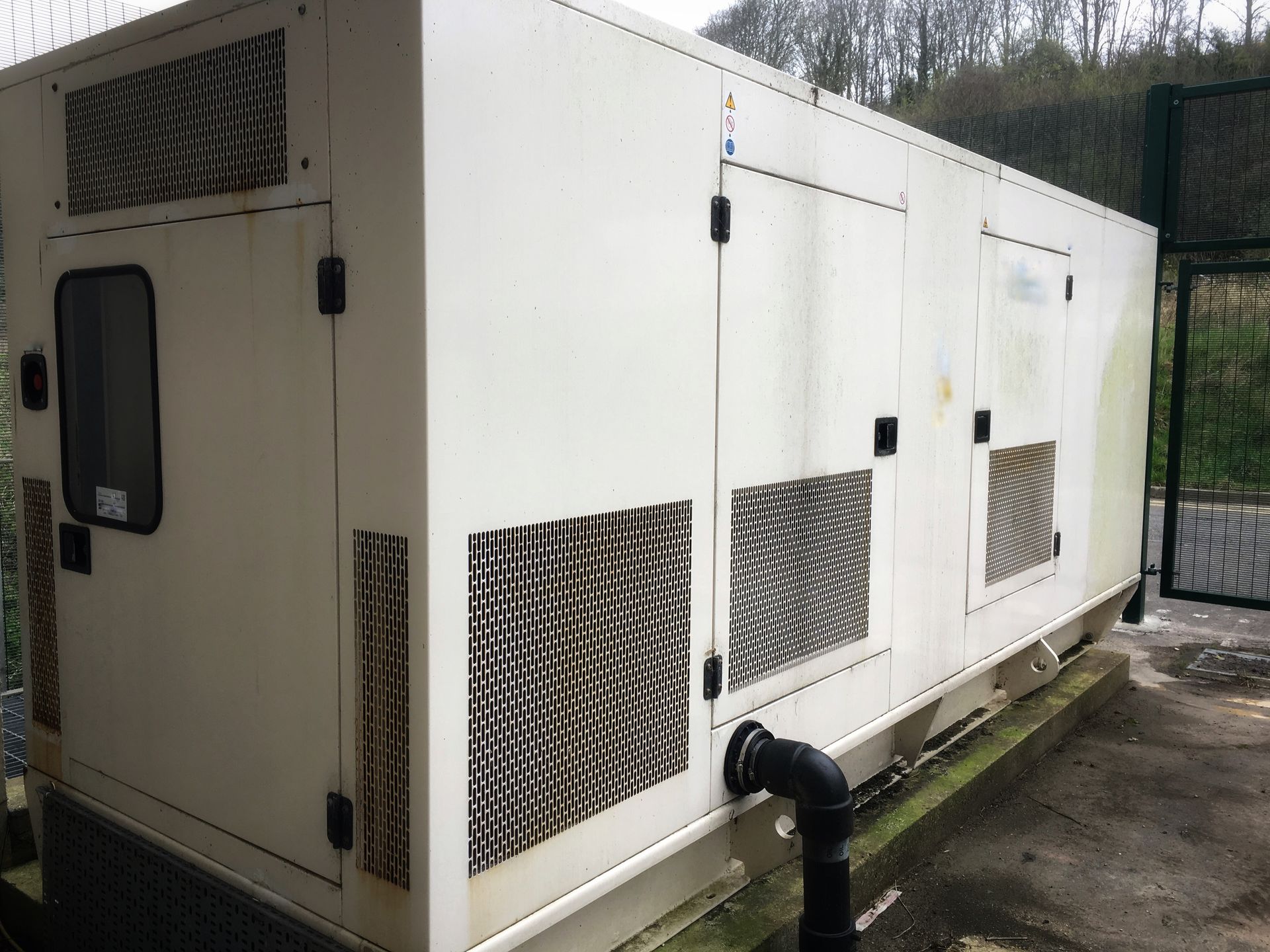
Installation involves sizing generators to match facility electrical loads, integrating transfer switches that detect outages and shift power sources automatically, connecting fuel supply systems, and conducting startup testing to verify the system operates correctly under load conditions. The goal is ensuring equipment transitions to generator power within seconds of utility failure and maintains operation until grid power returns.
Arrange a generator consultation to evaluate your facility's backup power requirements and load characteristics.
How Backup Power Systems Address Operational Risk
Generator system design begins by calculating total electrical load the facility must maintain during outages—some operations require full building power while others can function with critical circuits only, and this decision affects generator size, fuel consumption rates, and installation costs. Transfer switch configuration determines whether the system provides automatic switchover or requires manual activation, and whether individual circuit panels or the entire service gets backed up during outages.
Once installed and commissioned, facility managers operate through power interruptions without losing refrigeration, HVAC systems, lighting, or production equipment, preventing thousands of dollars in spoiled inventory, missed deadlines, or compromised patient care. Automatic transfer switches detect voltage loss and start generators without staff intervention, maintaining operations even when outages occur overnight or during weekends when facilities are minimally staffed.
System testing and startup services verify generators deliver rated power output, transfer switches operate within acceptable timeframes, and fuel systems provide adequate runtime for extended outages. Regular maintenance intervals and testing schedules ensure backup systems remain ready when needed rather than failing during the first real emergency after installation.
What Facility Owners Usually Ask
Organizations evaluating backup power investments need clarity on system capabilities, operational requirements, and how installations affect existing electrical infrastructure before committing to projects.
What factors determine generator size for commercial facilities?
Total connected load, whether all circuits require backup or only critical systems, startup current for motors and compressors, and any future expansion plans all influence generator sizing—undersized units fail to carry load while oversized systems waste fuel and increase upfront costs.
How does automatic transfer equipment improve reliability compared to manual systems?
Automatic transfer switches monitor utility power continuously and initiate generator startup within seconds of detecting outage conditions, while manual systems require staff to be present and physically operate transfer equipment, creating delays that may allow temperature-sensitive products to spoil or processes to fail.
When should natural gas versus diesel generators be selected?
Natural gas generators connect to existing utility gas lines for unlimited runtime but may lose fuel supply during disasters affecting gas infrastructure, while diesel systems require on-site fuel storage and periodic refueling but operate independently of utility services.
What maintenance do backup power systems require after installation?
Generators need periodic exercise under load to prevent fuel system degradation and ensure readiness, transfer switches require functional testing to verify proper operation, and fuel quality must be monitored in diesel systems to prevent contamination that could cause startup failures during actual emergencies common during Texarkana's severe weather season.
How do building codes affect generator installation requirements?
Local codes specify setback distances from property lines, exhaust system requirements, fuel storage regulations, and sound level limits that affect generator placement and enclosure selection, and installations must pass electrical inspection before being placed into service.
Business operators throughout Texarkana rely on Artex Electric to design generator systems that match facility risk profiles and operational requirements. Contact our team to discuss your backup power needs and evaluate system options that protect your operations during utility interruptions.