Energy Systems Designed for Long-Term Production
Solar Panel Installation in Texarkana for commercial and industrial properties seeking renewable energy solutions that reduce operating expenses
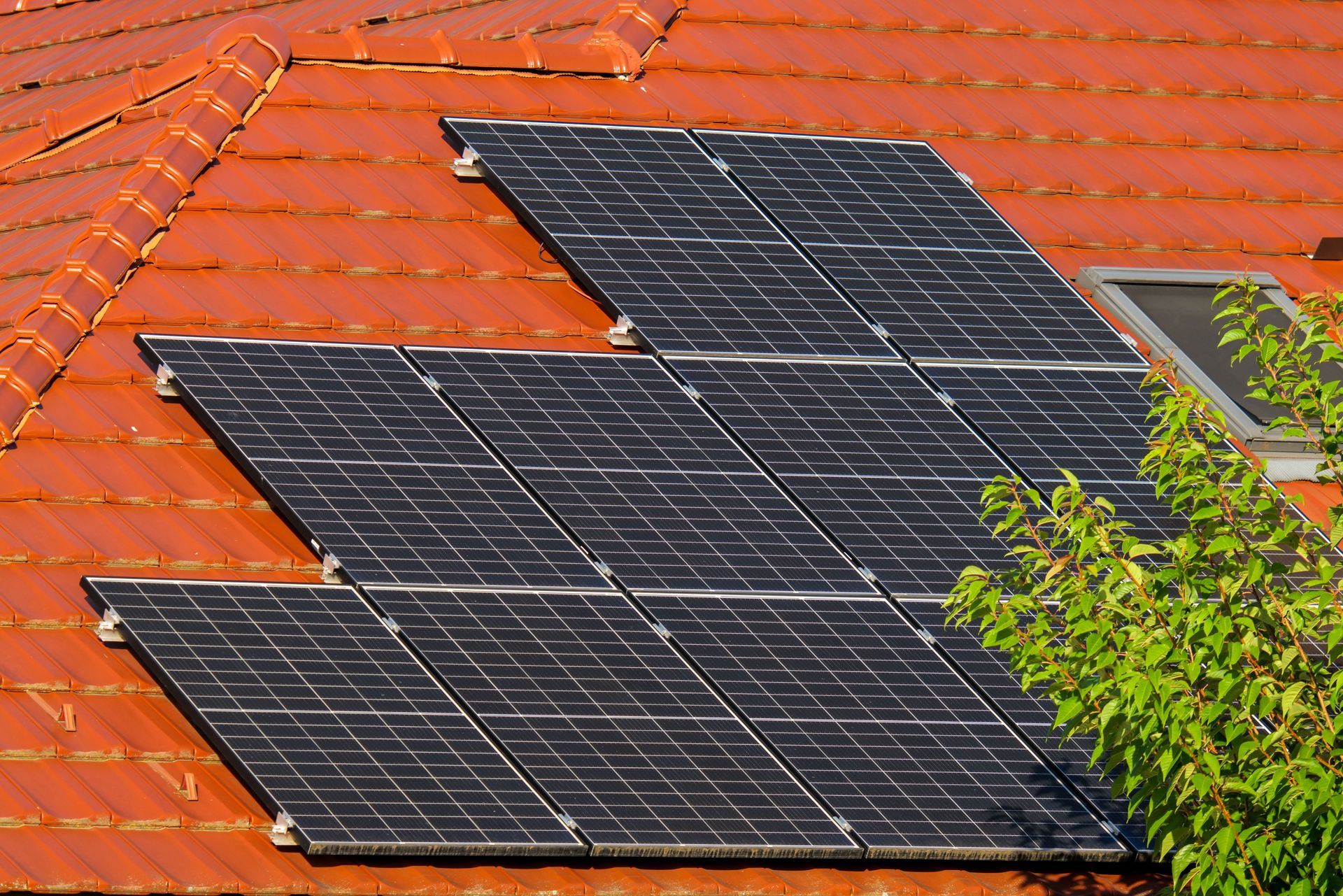
High electricity costs compress profit margins for manufacturing operations, warehouse facilities, and commercial buildings with significant daytime loads, while utility rate structures penalize peak demand periods when many businesses operate at full capacity. Solar energy systems offset daytime consumption when sunlight and operational demand align, reducing purchased electricity and lowering monthly utility bills over system lifespans measured in decades. Artex Electric designs and installs large-scale solar energy systems for commercial and industrial properties across Texarkana, managing projects from initial feasibility assessment through final integration with existing electrical infrastructure to deliver reliable renewable energy production.
Installation includes structural evaluation of roof or ground-mount locations, electrical design that connects solar production to facility distribution systems, integration of inverters and disconnect equipment, and coordination with utility companies for interconnection approvals and net metering arrangements where available.
Explore solar feasibility options by requesting a site assessment to evaluate your property's energy profile and installation potential.
What Solar Integration Requires for Commercial Properties
Solar system design begins with analyzing facility energy consumption patterns to determine what percentage of electricity usage occurs during daylight hours when panels produce power—operations with high daytime loads see greater immediate benefit than facilities with primarily evening or overnight consumption. Roof condition, structural capacity, and orientation affect whether buildings can support panel installations or whether ground-mount systems provide better long-term solutions, particularly for properties with aging roofs that would require replacement mid-way through a solar system's operational life.
After installation and commissioning, property owners generate electricity during sunlight hours that directly offsets utility consumption, reducing demand charges and energy costs while supporting corporate sustainability initiatives and renewable energy commitments. Monitoring systems track production levels and system performance, alerting facility managers to any issues affecting output before they significantly impact energy savings.
System integration with existing electrical infrastructure requires careful planning around circuit capacity, voltage compatibility, and protection equipment that prevents solar backfeed issues during utility outages. Projects also navigate local permitting requirements, utility interconnection procedures, and any available incentive programs that improve project economics through tax credits or accelerated depreciation.
Questions Before Starting Your Project
Property owners evaluating solar investments need information on system performance expectations, financial considerations, and how installations affect existing operations before committing to large-scale projects.
What determines solar system size for commercial properties?
Available roof or land area, electrical service capacity, facility energy consumption patterns, and budget constraints all factor into sizing decisions—systems can be designed to offset partial or total daytime usage depending on property conditions and financial objectives.
How does roof condition affect solar installation planning?
Panels typically last 25 to 30 years, so roof substrates must remain serviceable for that duration or be replaced before installation to avoid costly panel removal and reinstallation if roofing work becomes necessary mid-way through system life.
When do solar systems provide the greatest operational benefit?
Facilities with high daytime energy consumption, expensive utility rate structures, and long-term property ownership see the strongest financial returns, while properties with primarily overnight operations or short lease terms may not fully capture system benefits.
What maintenance do commercial solar installations require?
Panel cleaning to remove accumulated dust and debris, inverter monitoring to detect performance issues, and periodic electrical testing ensure systems continue producing at expected levels throughout their operational lifespan, though modern panels require minimal intervention compared to other building systems.
How does Texarkana's climate affect solar production?
The region receives substantial annual sunlight suitable for solar generation, though summer heat can slightly reduce panel efficiency during peak temperature periods, and occasional severe weather requires proper structural mounting to withstand wind loads and hail impacts.
Organizations throughout Texarkana partner with Artex Electric to evaluate renewable energy opportunities and implement solar systems that align with operational goals and financial expectations. Schedule a consultation to review your facility's energy consumption and discuss whether solar installation makes sense for your property and business model.